From Personal Loss to a Mission of Hope
How one man's faith transformed tragedy into a lifeline for thousands in crisis across the nation.
From Ashes, Hope Rose
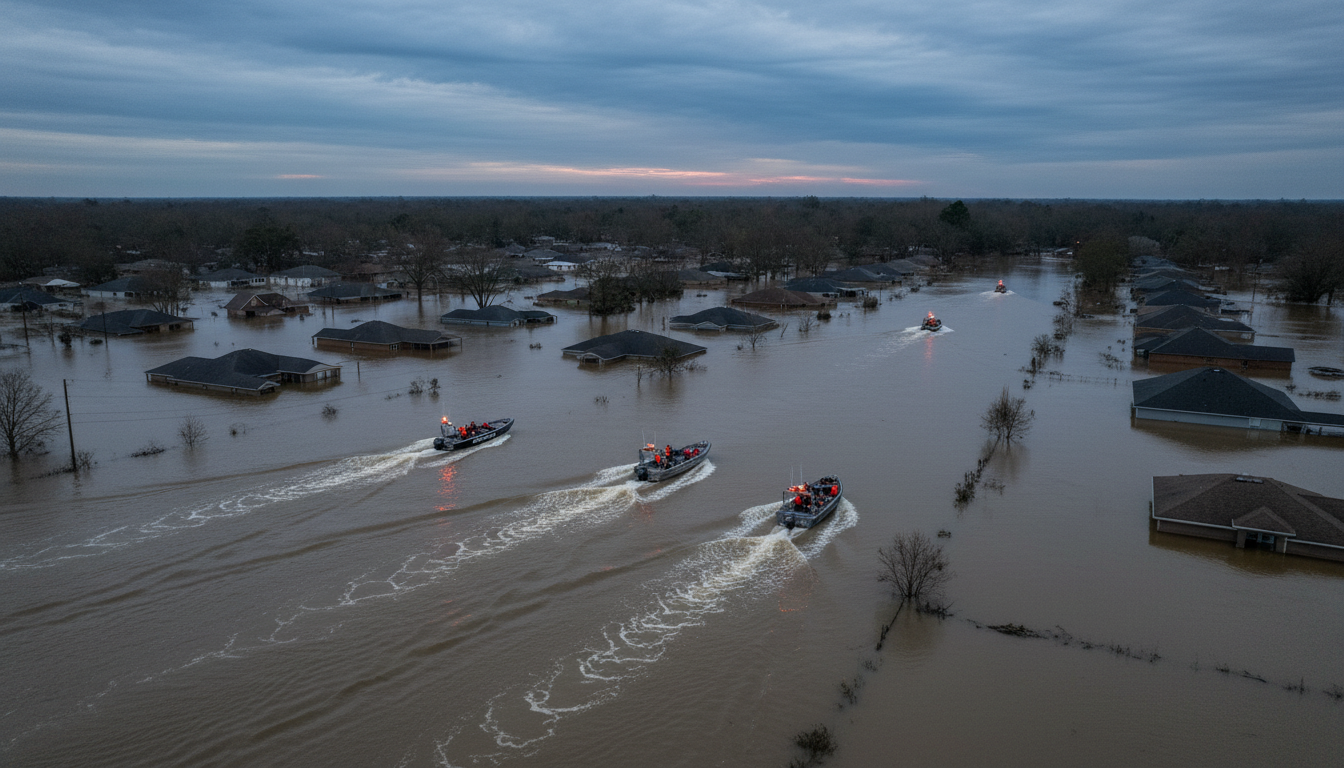
Hurricane Katrina remains the costliest and one of the deadliest hurricanes in U.S. history — killing more than 1,800 people, displacing over 1 million residents across the Gulf Coast, and causing an estimated $125 billion in damage. Entire communities were erased overnight. Thousands of survivors were left with nothing, stranded on rooftops and in shelters, waiting for help that often came too slowly.
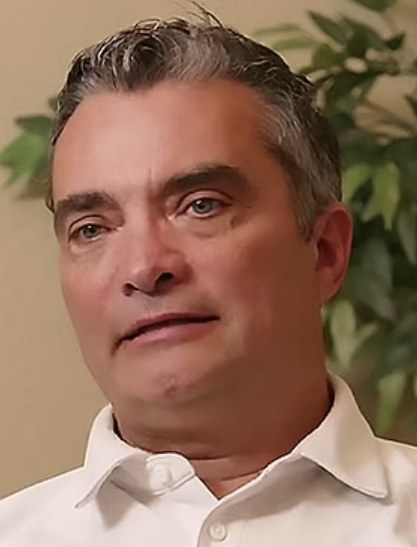
In the wake of that devastation in 2005, Todd Terrell was one of those thousands — losing everything, including his family's historic seafood business that had been started by his great aunt in 1932 during the Great Depression, their boats, their livelihood.
"When you lose everything, sometimes you get angry at God," Terrell reflects. "But my faith was such that it was like, 'You know what? There's got to be a better calling for me.' And then next thing you know, we're helping people, and it turned into this. God had a better plan for me."
That better plan has evolved into a remarkable disaster response organization that embodies the principle of beauty rising from ashes. The United Cajun Navy doesn't just respond to natural disasters — they've created a year-round community of care that brings together an unlikely alliance of churches, bikers, boat owners, and volunteers from all walks of life.
A Symphony of Service
Diverse communities united by a common purpose
Built on Diversity
"You forget that this guy over here is a biker, and the biker forgets that this person over here is a little church-going lady, and they're all working together. You would really have to see it to really understand it, how it kind of meshes and gels together." The organization brings together people from all walks of life, creating an extraordinary tapestry of service.
Complete Support
During a disaster, rescue operations are critical, but so is logistics. Churches and community groups help sort supplies, coordinate warehouses, and distribute essential items. When disaster strikes, everybody comes together — rescue experts working alongside volunteers who simply want to help.
"We have several different kinds of volunteers. The first volunteer is someone who may have a boat or a big jacked-up truck or a four-wheeler or an ATV to go rescue somebody. Those same people don't want to come in a warehouse and sort clothes or store food. So we go to these churches and church groups and schools and say, 'Hey, we need help.' And they come in and help us on that end of it. When you have a disaster, everybody kind of gets together, and it kind of blends everybody in."
— Todd Terrell, Founder and President
A Growing Mission
From the Carolinas to California, the United Cajun Navy operates coast to coast
Post-Hurricane Support
In the Carolinas, they're helping communities recover from Hurricane Helene with a focus on winter preparedness — providing warm weather clothes, coats, jackets, heaters, and winterized campers to ensure families stay safe through the cold months.
Wildfire Relief
Through a partnership with the Dream Center in Los Angeles, they've launched significant wildfire relief operations in California, providing crucial support to affected communities and first responders with PPE, masks, and essential supplies.
"I would never be sending three 18-wheelers to California because of the expense. But during a disaster such as these fires, it's like we don't even think about the money. We're just like, 'Let's do it. God will provide.' And sure enough, He does."
— Todd Terrell
Miracles Among the Ruins
Stories of hope persisting through devastation
The Pulpit and the Bible
After a devastating tornado in Lee County, Alabama, that destroyed an entire church, volunteers discovered something remarkable. "When we walked to the pulpit, the sun was shining through the roof that was off, shining on the pulpit. And on the pulpit was the open Bible, where the pastor had said services earlier that day, and that was the only thing that wasn't destroyed in the church – the pulpit and the Bible."
This powerful image serves as a reminder of hope persisting through devastation.
Angels in Pitch Darkness
During a 2016 flood rescue in pitch darkness with water levels reaching ten feet, Terrell and his team felt drawn to check one particular house. They busted through windows and found a woman alive on a couch with just a foot of air remaining.
The woman later told them she thought angels were coming when they reached for her. "Seven foot of water, and the lady only had a foot of air, and she grabbed onto my hand."
Beyond Disaster Response
Year-round community impact and transformation
Rehabilitation Programs
Through partnerships with faith-based rehabs, the United Cajun Navy operates comprehensive programs with a 90+ percent success ratio. Participants go through 30 days of initial programs, then a year-long faith-based program with church attendance and Bible study.
Grandparents Raising Grandchildren
The organization works with this growing community challenge, organizing activities like fishing trips and hunting excursions. Pastors and counselors provide spiritual mentorship while troubled youth experience love and community.
Faith-Based Support
A chaplaincy program led by a mass casualty chaplain provides crucial spiritual support during and after disasters. The organization helps people process trauma and find hope through faith, understanding that rebuilding is as much spiritual as it is physical.
"We get them a job, help them if they have back child support, license issues, or whatever. But they have to go to church every Sunday, and they have to attend Bible study throughout the week. We've got a 90-plus percent ratio, a success ratio, of people going through these programs."
Mobile Command Centers
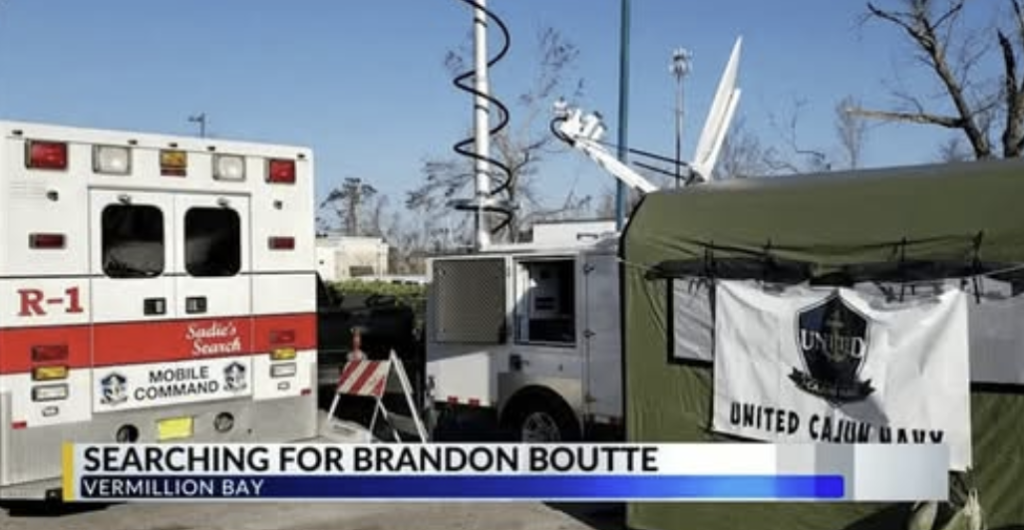
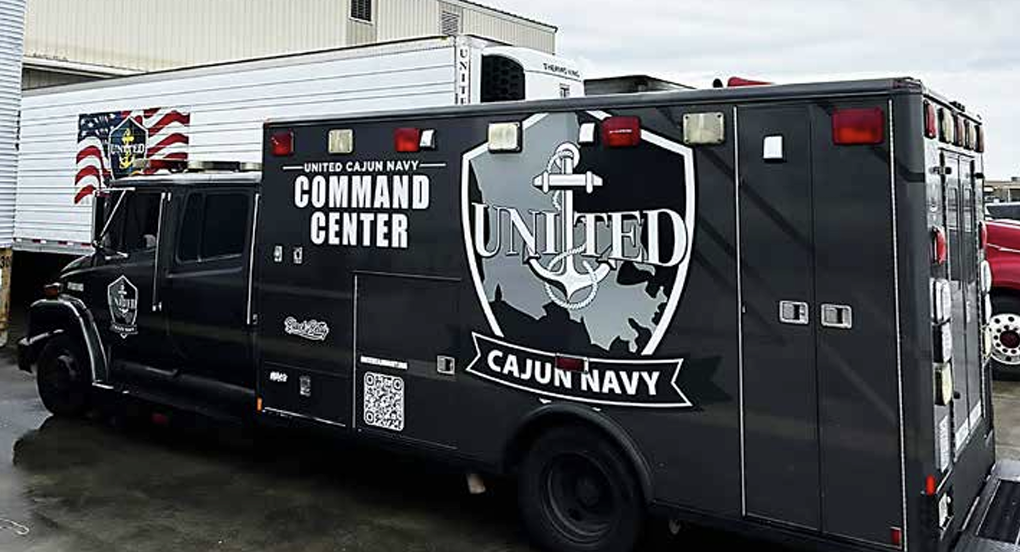
The United Cajun Navy's mobile command centers, like "Black Betty," serve as the operational nerve center during disaster response. These fully equipped units coordinate rescue operations, communications, logistics, and volunteer deployment in real-time from the field.
Staffed by experienced coordinators and equipped with advanced communication systems, our mobile commands ensure that every rescue request is tracked, every team is supported, and every mission is executed with precision and care.
A Network of Faith and Service
Strong partnerships with faith-based organizations across the nation
Prepared to Respond
The United Cajun Navy has developed strong partnerships with City Impact, Dream Centers, and local churches nationwide. They maintain a network of warehouses stocked with essential supplies throughout the country.
"We have several warehouses throughout the country that have supplies in it," Terrell explains. "When a disaster hits, all we have to do is put the trucks on the road with the supplies, and that's what we do."
Their approach to preparation varies depending on the type of emergency — snow storms require different supplies than hurricanes, and tornado damage requires different strategies than flooding.